
What I Mean by Beauty Treatment Malaysia
When I talk about beauty treatment Malaysia, I’m referring to the wide range of non-surgical services people use to improve skin, hair, body contour, and overall appearance. In Malaysia, this space covers everything from facials and chemical peels to laser procedures, hair removal, and body sculpting. The appeal is simple: many treatments are accessible, relatively affordable compared with some neighbouring markets, and offered in a mix of medical clinics, aesthetic centres, and salon-based studios. Related source: search for beauty treatments by city.
What makes the market interesting is the variety. I can find quick lunch-hour treatments in city centres, more advanced laser work in specialist clinics, and wellness-style packages that combine skin, scalp, and body care. Because the options are so broad, the challenge is not finding a service; it is choosing the right one for my concern, my budget, and my comfort level. Related source: Seek Beauty.
How I Evaluate Treatment Options
When I’m comparing beauty treatment options in Malaysia, I usually start by asking three questions: what problem am I trying to solve, how invasive is the treatment, and who is qualified to provide it? That keeps me from being distracted by marketing language and helps me focus on results, safety, and practicality.
I also look at downtime, maintenance needs, and whether the clinic or centre explains the process clearly. A good provider should be able to describe expected outcomes, possible side effects, aftercare steps, and how many sessions may be needed. If I feel rushed into a package before I understand the treatment, that’s usually a sign to step back and compare other providers.
Skin Concern First
For me, the best starting point is the concern itself. Acne marks, pigmentation, dullness, sagging skin, enlarged pores, and dehydration all respond to different approaches. A facial may help with surface refreshment, but more stubborn issues often need targeted treatments such as peels, microneedling, lasers, or light-based procedures.
When the treatment matches the concern, the chances of satisfaction improve. I try not to choose based only on popularity; I choose based on whether the treatment is actually designed for my skin goal.
Provider Qualifications
Qualifications matter a lot, especially for procedures that involve energy devices, injections, or deeper skin penetration. In Malaysia, I pay attention to whether the provider is operating in a regulated medical setting and whether the practitioner explains the treatment in a professional, transparent way. It is always wise to verify licensing and credentials before proceeding with any procedure.
For safety-related checks, I prefer to refer to official and professional sources rather than social media posts. The Ministry of Health Malaysia and the Malaysian Medical Council are useful places to start when I want to understand clinical standards and practitioner expectations.
Common Beauty Treatments I See in Malaysia
The beauty treatment scene in Malaysia is broad, but several categories appear again and again. These are the services I see most often, and they cover the majority of common skin and appearance concerns people want to address.
Understanding these options helps me compare clinics more effectively. Instead of asking only for a price list, I can ask what the treatment does, how long it takes, and what results are realistic.
Facials and Deep Cleansing
Facials are usually the entry point for many people. They can include cleansing, exfoliation, extraction, masking, hydration, and massage. I think of them as maintenance treatments rather than dramatic fixes. They’re useful if I want cleaner pores, smoother skin texture, or a refreshed look before an event.
The best facial for me depends on my skin type. Oily and acne-prone skin may need gentler extraction and oil-control steps, while dry or sensitive skin benefits more from calming and barrier-supporting ingredients.
Chemical Peels
Chemical peels use exfoliating acids to remove dead skin cells and encourage renewal. I find them useful for dullness, mild pigmentation, and uneven texture. They range from superficial peels with minimal downtime to stronger medical-grade peels that require careful aftercare.
Because peels can irritate skin if misused, I prefer providers who assess my skin condition properly instead of offering the same peel to everyone. The right concentration and frequency make a big difference to both safety and results.
Laser and Light-Based Treatments
Laser and light treatments are popular in Malaysia for pigmentation, acne scars, redness, and hair reduction. They are often chosen because they can target specific concerns more precisely than basic skincare routines. Depending on the device and the condition being treated, the number of sessions can vary widely.
These treatments can be effective, but they also need proper consultation. Skin tone, sensitivity, and aftercare all affect outcomes, so I treat laser work as something that should be tailored, not bought blindly in a package.
Body Contouring and Tightening
Non-surgical body treatments are often marketed for slimming, firming, or reshaping. In reality, I see them more as support treatments than dramatic body transformations. They may help with mild contouring, water retention, or the look of skin firmness, but they are not a substitute for sustainable lifestyle habits.
When I review these services, I look for realistic claims. If a provider promises instant major changes without explaining limits, I take that as a warning sign.
How I Compare Clinics and Aesthetic Centres
Not every beauty treatment Malaysia provider is the same, even when the menu looks similar. My comparison process usually starts with service quality, then moves to safety, communication, and overall value. Price matters, of course, but I do not let price be the only factor.
In many cases, a slightly higher fee is worth paying if the consultation is thorough, the treatment is properly supervised, and the aftercare is clear. A lower price is not always cheaper if the result is poor or if I need corrective work later.
Consultation Quality
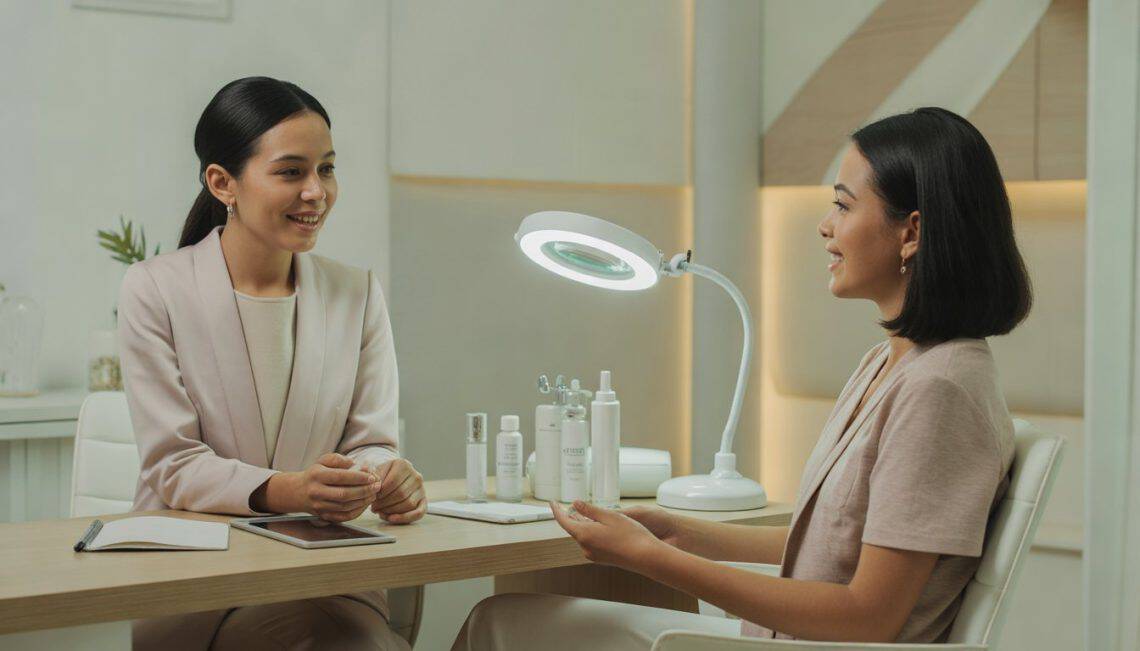
A good consultation should feel like a discussion, not a sales pitch. I want the provider to ask about my skin history, allergies, sensitivities, previous treatments, and expectations. They should also explain why a treatment is suitable and what alternatives exist.
When consultation quality is strong, I feel more confident that the recommendation is based on my needs, not just on what is easiest to sell.
Technology and Equipment
For device-based treatments, the equipment matters. I like to know what machine is being used, whether it is appropriate for my skin concern, and whether the centre can explain its function in plain language. Reputable providers should not rely on vague terms alone; they should be able to tell me how the device works and what kind of result I can expect.
Technology is only one part of the equation, but it can influence comfort, precision, and recovery time. That’s why I ask about it before agreeing to any procedure.
Safety, Regulation, and What I Check Before Booking
Safety is the first thing I think about before any beauty treatment. Even a simple-looking procedure can cause irritation, infection, pigmentation changes, or other unwanted effects if it is done badly or on the wrong skin type. My goal is always to reduce risk as much as possible.
In Malaysia, I find it helpful to separate medical aesthetic treatments from general salon services. Medical procedures should be treated differently from basic grooming services, and I always want to know who will be performing the treatment and under what supervision.
Red Flags I Avoid
I stay cautious if a provider makes dramatic promises, refuses to explain side effects, or pressures me to buy a package immediately. Another red flag is when the centre seems more focused on selling than assessing suitability. If a treatment sounds too good to be true, I usually assume it needs more checking.
I also avoid places that cannot answer basic questions about hygiene, sterilisation, patch testing, or aftercare. A professional provider should be comfortable explaining these things clearly.
Questions I Ask Before I Commit
Before I book, I usually ask what results are realistic, how many sessions may be needed, whether there is downtime, and what the treatment costs in total. I also ask what happens if my skin reacts badly and whether a patch test is recommended for my case.
These questions help me compare providers more fairly and prevent surprises later. A clear answer often tells me more than a long brochure ever could.
Pricing Expectations in the Malaysian Market
One reason beauty treatment Malaysia searches are so common is that many people want to understand the price range before they commit. Costs vary depending on location, clinic reputation, practitioner expertise, device type, and whether the treatment is part of a package or charged per session.
In general, I expect basic facials to be more affordable, while advanced laser or device-based procedures cost more. However, I do not treat price as a simple measure of quality. Instead, I look at what is included, how much follow-up is provided, and whether the result justifies the fee.
Single Session Versus Package Deals
Packages can be attractive because they reduce the per-session cost, but I only choose them after trying the treatment once or at least after getting a very clear explanation. Skin and body needs can change, and a package may not always be the best fit if I am still experimenting.
If I am considering a package, I make sure I understand expiry dates, transfer rules, refund terms, and whether the treatment plan can be adjusted. That prevents waste and keeps me in control of the decision.
Value Beyond the Ticket Price
The cheapest option is not always the best value. I also count consultation time, product quality, practitioner skill, treatment environment, and aftercare support. A well-run centre may charge more, but if it delivers safer and more consistent results, the overall value is often better.
For me, value means getting a treatment that is effective, safe, and worth repeating if needed. That is usually a better benchmark than price alone.
Aftercare and Recovery: What I Usually Plan For
Aftercare can make or break a beauty treatment. Even the best procedure may disappoint if I ignore recovery instructions or expose my skin too soon to heat, sun, or harsh products. That is why I always treat aftercare as part of the treatment, not an optional extra.
Different treatments need different recovery plans, but I usually expect some combination of sun protection, gentle cleansing, hydration, and temporary avoidance of active ingredients. The more intensive the treatment, the more careful I need to be.
Sun Protection and Skin Barrier Care
In Malaysia’s warm climate, sun protection is especially important. After many skin procedures, I try to keep direct sun exposure low and use broad-spectrum sunscreen consistently. This is particularly important if I’ve had peels, lasers, or any treatment that can make skin more reactive to light.
I also focus on barrier repair with gentle moisturisers and simple routines. When I keep the skin calm, recovery tends to be smoother and the final result usually looks better.
When I Pause My Usual Products
Sometimes I need to stop retinoids, exfoliating acids, scrubs, or strong actives for a short period after treatment. The exact timing depends on the procedure and my skin’s response. I never assume I can go back to my usual routine immediately without checking first.
This is one area where proper post-treatment instructions matter a lot. Clear guidance helps me avoid irritation and lets the skin recover properly.
How I Choose the Right Treatment for My Goal
Choosing the right beauty treatment is easier when I work backward from the result I want. If my goal is brighter skin, I may look at facials, mild peels, or laser-based options depending on the cause of dullness. If my concern is hair reduction, I focus on suitable light-based methods. If I want texture improvement, I think about treatments that support renewal rather than just hydration.
I also remind myself that not every concern needs an aggressive solution. Sometimes a series of gentle treatments works better than one intense procedure. Matching the intensity of the treatment to the intensity of the problem usually gives me a more balanced result.
For Maintenance and Glow
If I simply want to look fresher, I usually lean toward hydrating facials, mild exfoliation, or non-invasive skin booster-style care. These are more suitable when the skin condition is generally good and I want maintenance rather than correction.
Maintenance treatments are helpful because they keep skin on track without creating too much downtime. For busy schedules, that convenience is a major plus.
For Concern-Specific Correction
When I’m dealing with pigmentation, acne scars, or stubborn uneven texture, I consider targeted treatments that are designed for correction. This is where consultation becomes especially important, because the wrong method can waste time or even make the issue worse.
In these cases, I prefer a plan that is staged and realistic. Good correction usually takes patience, not one miracle session.
Trends I Notice in Malaysia’s Beauty Treatment Scene
The local beauty treatment market keeps evolving, and I see a few trends becoming more common. People now ask more questions about downtime, safety, and natural-looking results, instead of chasing only the strongest or fastest option. That is a healthy shift because it reflects a more informed approach to self-care.
I also see more interest in treatments that combine technology with convenience. Busy clients want visible improvement without long recovery periods, which explains the popularity of quick procedures that fit into workdays and weekends.
More Interest in Minimal Downtime
Many people in Malaysia prefer treatments that let them return to normal life quickly. That is why lunch-hour facials, gentle lasers, and light-based procedures remain popular. The appeal is easy to understand: people want to improve their appearance without disrupting their schedules too much.
Minimal downtime does not mean zero care, though. Even fast treatments still need good aftercare and realistic expectations.
Growing Focus on Personalisation
Another trend I notice is more personalised treatment planning. Instead of using the same protocol for everyone, better providers are paying more attention to skin type, lifestyle, and treatment history. I find this encouraging because customisation usually leads to better results and fewer unnecessary sessions.
For me, this is one of the clearest signs that the industry is becoming more mature. People want solutions that fit their actual needs, not generic promises.
My Practical Takeaway for Anyone Searching Beauty Treatment Malaysia
If I were advising someone searching beauty treatment Malaysia, I would say this: start with the concern, not the promotion. Compare providers carefully, ask direct questions, and make safety part of the decision from the beginning. A good treatment plan should feel clear, tailored, and realistic.
I also believe the best results come from combining professional treatment with basic skin care discipline. Good sleep, sun protection, gentle routines, and consistent maintenance all support the outcome. When I treat beauty procedures as part of a broader care plan, I usually get better long-term value and more confidence in the result.
For reliable background reading on clinical standards and practitioner guidance, I would refer to official sources such as the Ministry of Health Malaysia, the Malaysian Medical Council, and the Health Ministry’s general consumer information pages. These sources are useful starting points when I want to check safety, regulation, and professional expectations before I book a treatment.


